
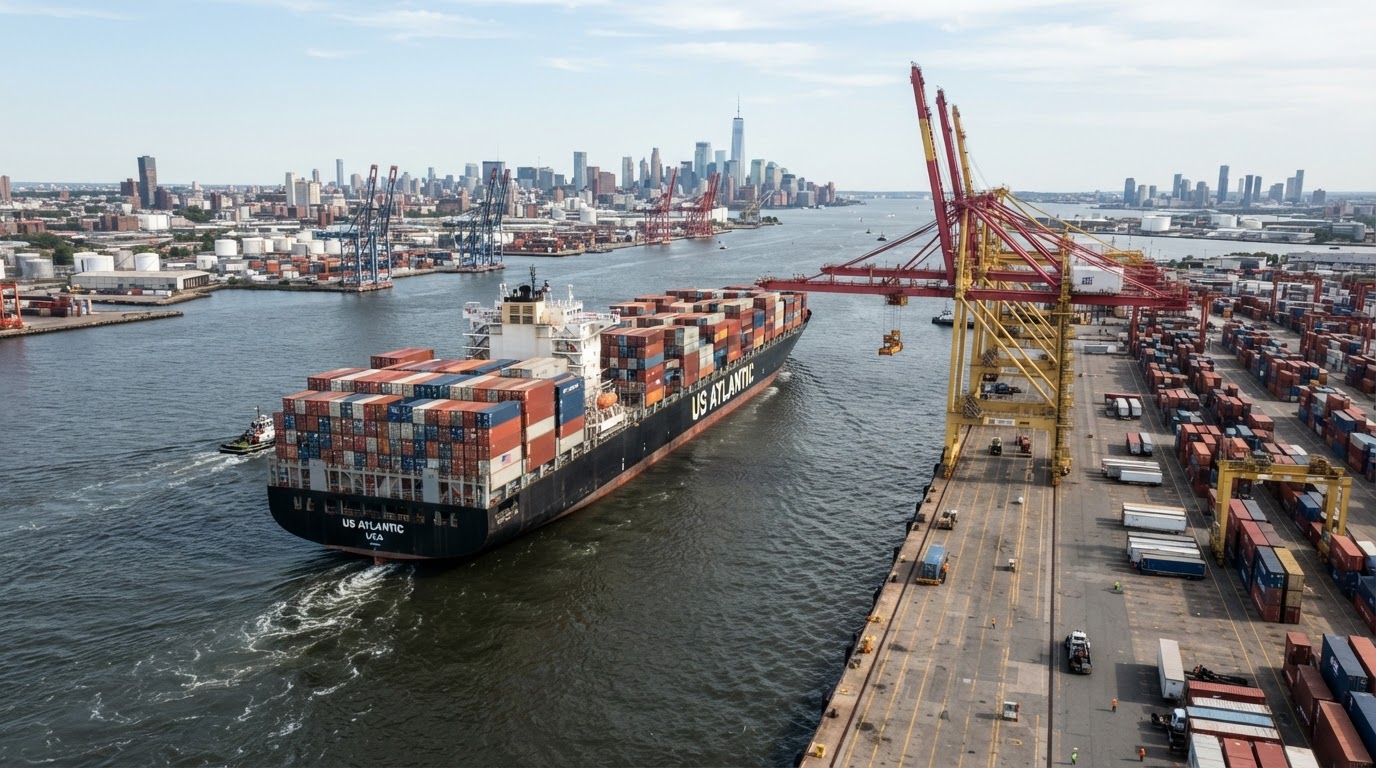
US ENERGY AND SHIPPING — The United States has extended its temporary waiver of the Jones Act for a further 90 days, continuing a measure that allows eligible cargo to move between US ports on foreign-flagged vessels while energy and commodity supply pressures remain elevated.
US Customs and Border Protection said the third extension will begin at midnight on 16 November 2026 and run through 14 February 2027. Its guidance says covered products must be loaded aboard the relevant vessel before the extension expires. The notice updates earlier guidance and does not amount to a permanent change to the underlying law.
The waiver is not an automatic, unrestricted exemption. CBP says shippers must submit a written vessel-availability request to the Department of War and the Maritime Administration before initiating a voyage, and the latest extension retains a case-by-case approval process.
The Merchant Marine Act of 1920, commonly known as the Jones Act, generally requires goods transported between US ports by water to travel on vessels that are US-built, US-owned and appropriately US-crewed. A waiver creates a limited exception for eligible cargo. Reuters reported that the current measure is intended to ease domestic shipping bottlenecks and support the movement of oil and other commodities.
A temporary tool for supply-chain pressure
The administration has argued that the waiver helps move fuel and other critical goods more freely between ports. Reuters reported that the White House said earlier extensions had enabled an additional 90 million barrels of petroleum to move between US ports since March. That figure is the administration’s estimate, not an independently audited measure in the CBP notice.
The extension may offer shippers more flexibility, but its practical scope remains limited by the eligible-product rules, voyage approvals and the dates set out in official guidance. It also leaves the broader debate over the Jones Act unresolved, including arguments about domestic maritime capacity, shipping costs and national resilience.
Relief now, policy debate later
For energy buyers and logistics operators, the extension provides another short-term planning window. For US shipbuilders and maritime operators, it continues a temporary exception to a law designed to support domestic shipping. The balance between immediate supply needs and long-term industrial policy is likely to remain contested as the waiver period progresses.
Sources: US Customs and Border Protection — third extension of Jones Act waiver; Reuters — extension of the shipping-law waiver.