
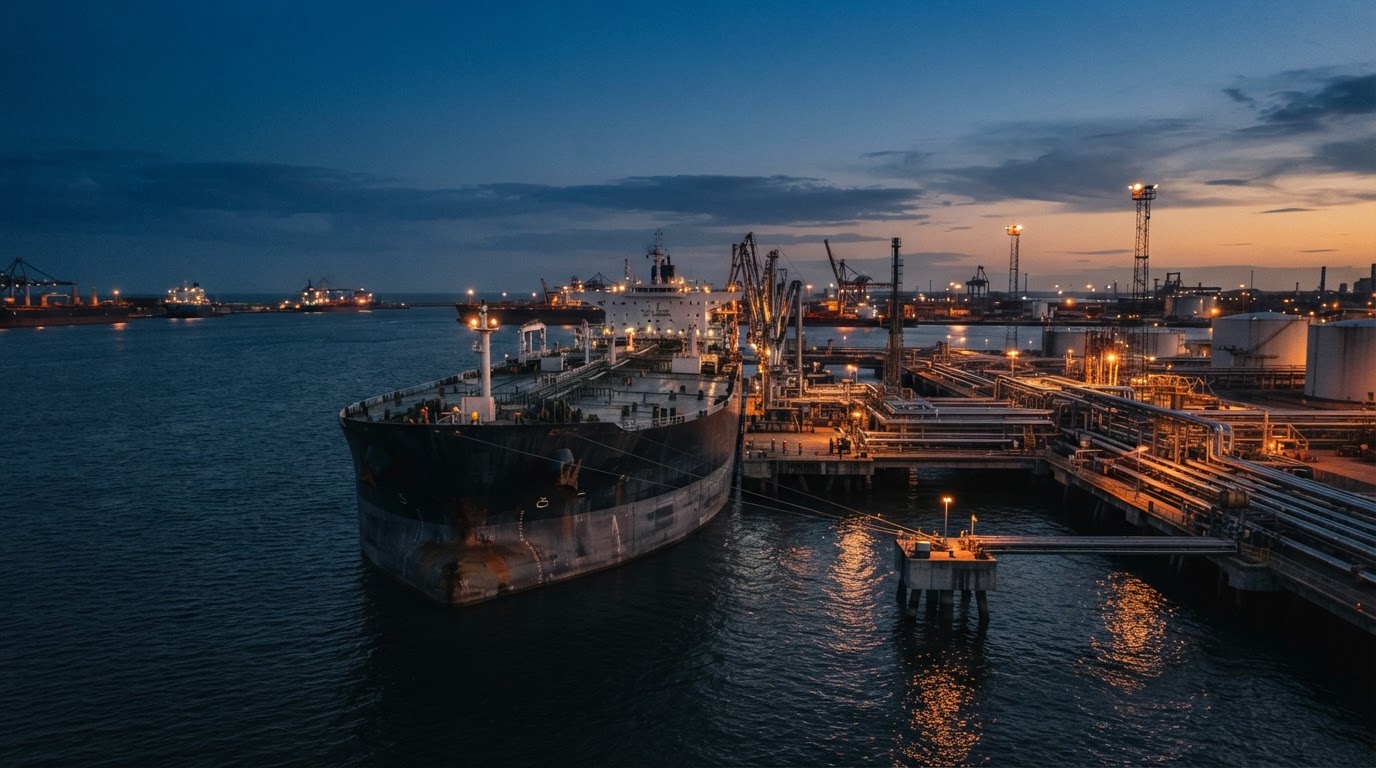
GLOBAL ENERGY — The International Energy Agency expects the global oil market to move back into surplus during the fourth quarter of 2026 as exports from the Gulf recover faster than consumption, a shift that could ease some of the pressure on prices and energy-importing economies.
In its November Oil Market Report, published on 13 November, the agency forecast average global supply of about 105 million barrels a day in the fourth quarter, around 1.7 million barrels a day above demand. The IEA also forecast that oil demand would fall by approximately 2.7 million barrels a day across 2026 to 102.3 million barrels a day, before recovering by about 2 million barrels a day in 2027.
The agency said Gulf exports had recovered through alternative shipping and logistics arrangements despite continuing security incidents around key maritime routes. OPEC+ crude output also rose in October, supporting the broader supply recovery. The forecast remains conditional on exports and production continuing to improve.
Supply is improving, but the risk has not disappeared
The recovery does not mean the energy system has returned to normal. Attacks on commercial shipping, damaged infrastructure, elevated insurance costs and the possibility of renewed disruption around the Strait of Hormuz remain important risks. The IEA has also said that member countries’ emergency stock releases will continue, with about 71 million barrels of oil and petroleum products expected to be made available through February 2027.
Demand is also being affected by high prices and economic pressure. The agency’s forecast points to weaker consumption in 2026, while its outlook for 2027 assumes a partial recovery. That combination means a projected surplus could coexist with tight conditions in particular products or regions.
What the outlook means for markets
If the forecast is realised, additional supply could reduce the inflationary pressure created by the earlier disruption and improve the position of oil-importing economies. But the market remains exposed to geopolitical events, and a renewed interruption to shipping could quickly alter the balance.
The IEA’s assessment is a forecast rather than a guarantee. Traders, governments and energy companies will be watching actual export flows, inventories and maritime security conditions to determine whether the expected surplus becomes durable.
Sources: International Energy Agency — Oil Market Report, November 2026; Reuters — IEA’s oil-market outlook; The Guardian — oil supply and Gulf export recovery.