
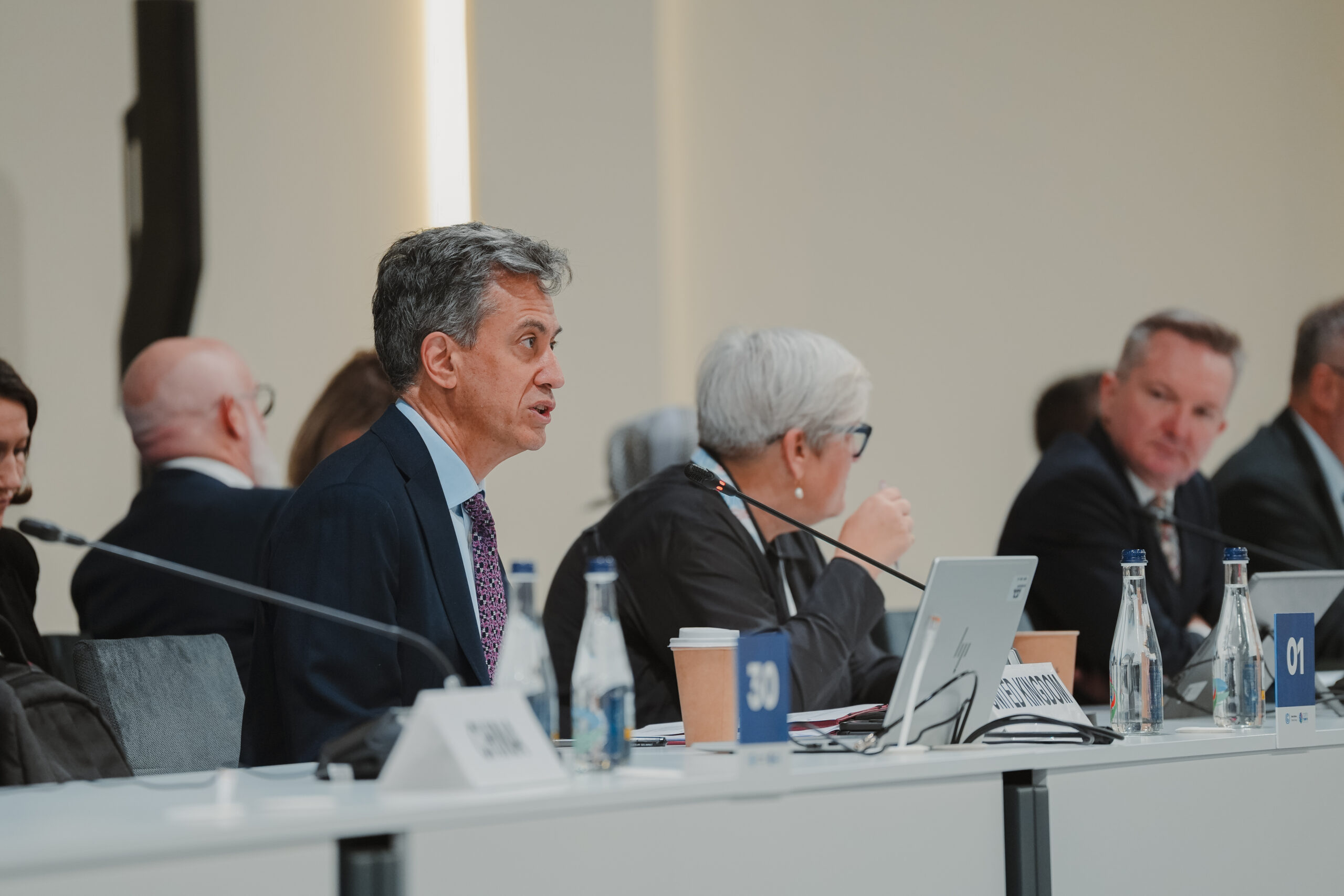
A coalition of countries seeking to accelerate the transition away from coal, oil and gas is pressing ahead at COP31 despite the withdrawal of Colombia, one of the initiative’s founding members.
The coalition was launched in Santa Marta, Colombia, in April. The Associated Press reported that it is preparing a progress report for the current United Nations climate talks in Antalya, Turkey, with additional national plans intended to reduce dependence on fossil fuels.
Ireland and the Pacific island nation of Tuvalu are preparing to take over leadership of the initiative from Colombia and the Netherlands. Ireland’s Department of Climate, Energy and the Environment confirmed Colombia’s withdrawal and said preparations were advanced for events in both countries next year. A second international conference is planned for July 2027.
A voluntary process with a global ambition
Representatives from 57 countries took part in the Santa Marta initiative. Unlike formal UN climate negotiations, the coalition was designed as a voluntary platform for countries to compare policy options and identify ways to translate broad commitments into national action. It does not impose binding fossil-fuel production limits or a common timetable on members.
The coalition’s work includes national transition road maps, trade and economic policies, investment incentives and ways to support workers and communities affected by the shift away from fossil fuels. At COP31, negotiators are also considering how a broader global road map could be recognised in future climate discussions.
The test is implementation and finance
The withdrawal of Colombia creates a political challenge, but it does not automatically end the initiative. The next phase will depend on whether Ireland and Tuvalu can maintain participation, attract major fossil-fuel producers and turn voluntary plans into measurable domestic policies.
Financing is a central obstacle. Countries that rely heavily on oil and gas revenue, or that lack the capital to expand renewable power and supporting infrastructure, will need investment and international support to diversify their economies. Without clear timelines and resources, a coalition of road maps may remain a statement of intent rather than a driver of emissions cuts.
The initiative therefore matters to global energy investment, trade and climate diplomacy, but its influence will be measured by what governments implement after the summit, not simply by the number of countries that attend.
Sources: Associated Press · Ireland’s Department of Climate, Energy and the Environment