
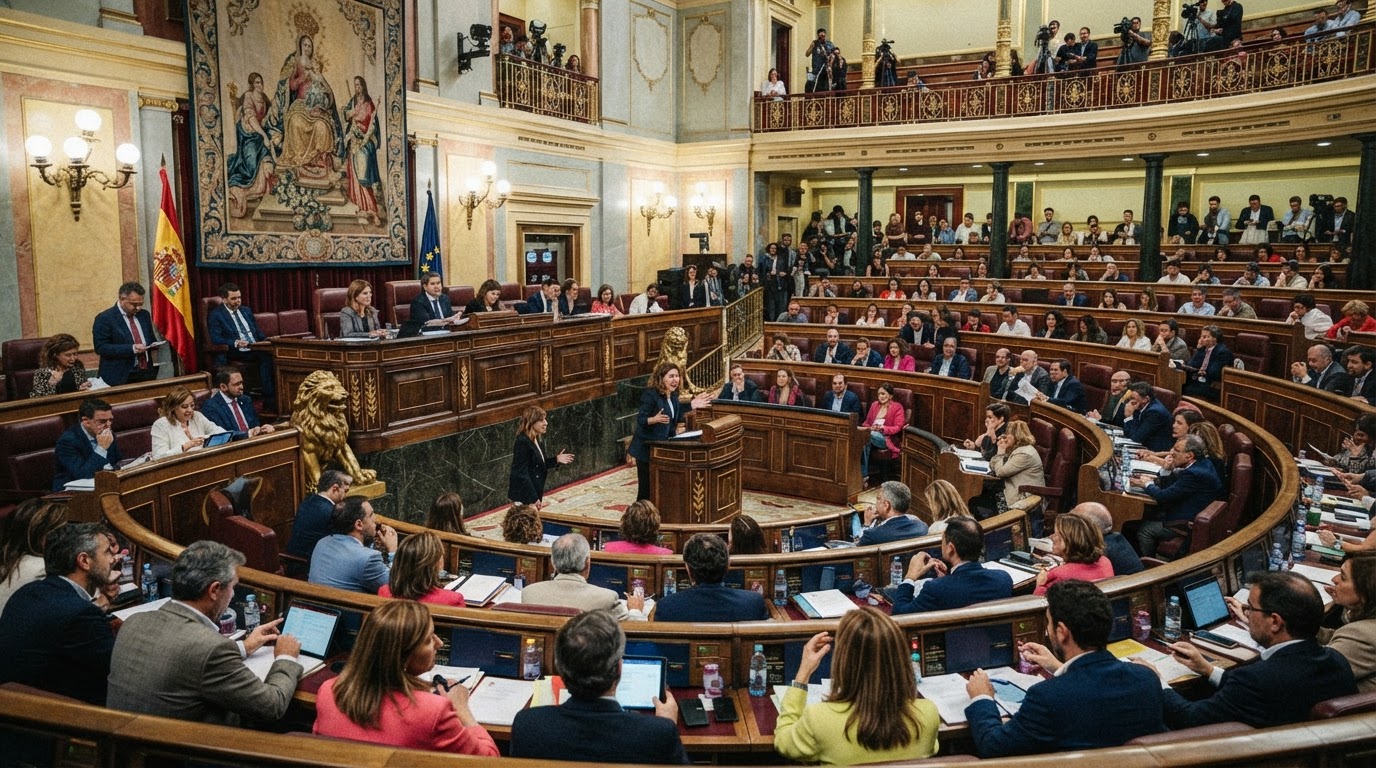
MADRID — Spanish Prime Minister Pedro Sánchez is facing a difficult campaign to unite progressive voters ahead of the country’s November 29 snap election, with housing pressures, public-service concerns and divisions among left-wing parties complicating his effort to retain political support.
Reuters reported on Friday that interviews and polling suggest many voters who might ordinarily support the Socialists remain dissatisfied with the government. The party’s support was reported in the 26% to 29% range in polls cited by Reuters, while negotiations to establish a united platform among smaller left-wing groups have failed to produce an agreement.
Housing has become a defining campaign issue
The housing crisis has become a major source of public frustration. Protests intensified after the eviction and subsequent death of an 87-year-old woman, Maricarmen Abascal, in September. Unions said a general strike held on Wednesday brought more than three million people onto the streets, a figure that remains an attribution to the organisers.
Voters have also raised concerns about public services, corruption allegations involving people close to the government, migration and two deadly train crashes. These issues have broadened the campaign beyond the traditional contest between left and right.
Fragmentation could reshape the result
For Sánchez, the risk is that dissatisfaction among left-leaning voters translates into abstention or support for smaller parties rather than a consolidated vote for the Socialists. A divided progressive electorate could improve the prospects of a conservative alliance involving the People’s Party and Vox.
The election will therefore test not only the government’s record but also the ability of Spain’s political parties to organise around issues such as housing affordability, the cost of living and confidence in public institutions.
What investors and Europe will watch
Spain is a major euro-area economy, and political uncertainty can influence expectations for fiscal policy, regulation and public investment. The campaign’s implications will depend on the eventual parliamentary arithmetic and the policies any governing coalition can implement.
Polling is not a result, and the balance of support may change before election day. The key indicators to watch are turnout, the distribution of votes among left-wing parties and whether housing and public-service concerns dominate the final stretch of the campaign.
Source: Reuters — As election nears, Spain’s Sánchez struggles to rally disillusioned left.